Bespoke Joinery for Grade II Listed Covent Garden Penthouse
.avif)
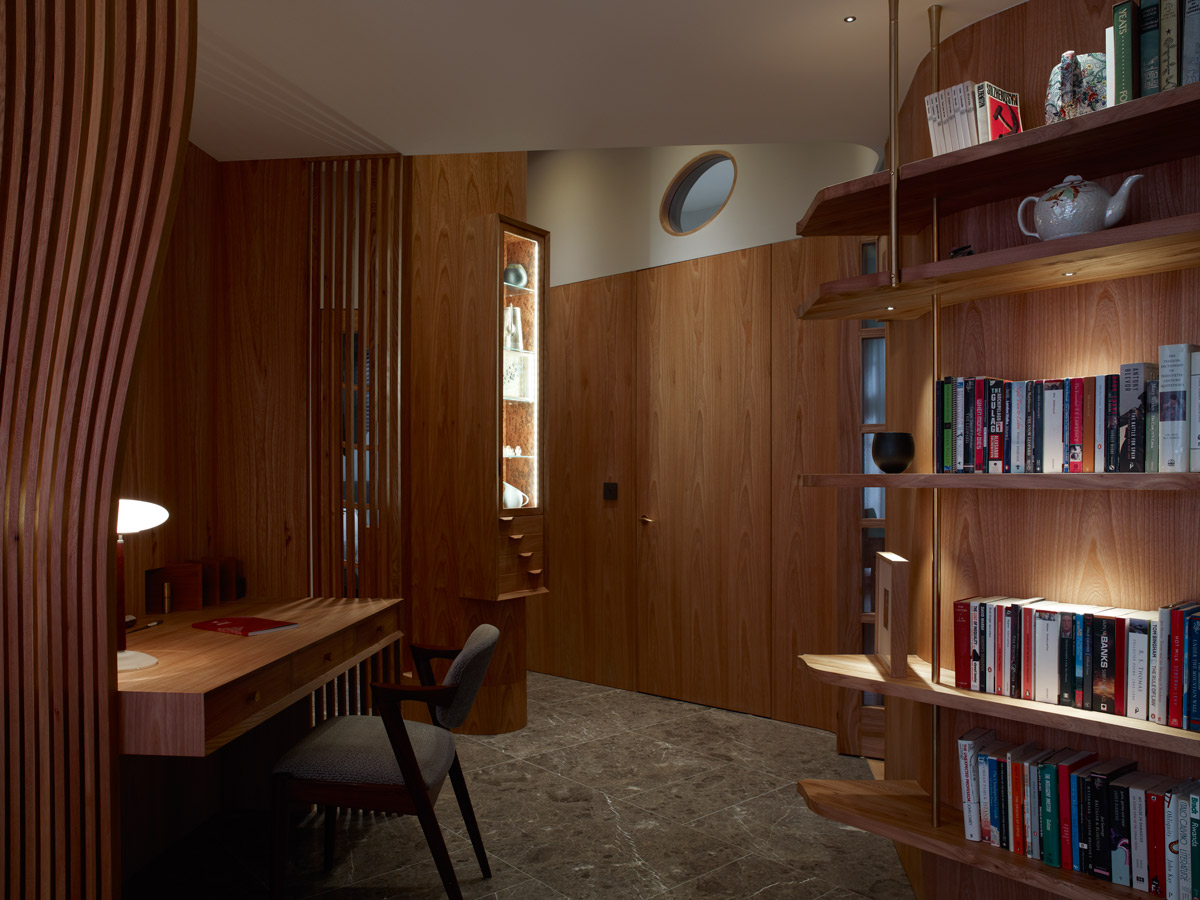
Set above the bustle of Covent Garden, this duplex penthouse occupied the top two floors of a Grade II listed merchant’s house in the heart of London. Designed by Carmody Groarke, the project reimagined a historic structure as a contemporary residence while retaining the clarity and integrity of its original fabric.
Spanning two interconnected levels, the architecture presented a clear challenge: how to create a sense of continuity and control across the entire interior without undermining the character of the listed building, a problem defined by alignment, integration, and absolute precision.
Defining the Scope of a Continuous Interior
Young & Norgate were commissioned to design, fabricate, and install the bespoke joinery throughout the duplex penthouse, selected for our experience delivering complex, interconnected joinery within architect-led residential projects. The scope included wall panelling, cabinetry, integrated furniture, and concealed elements, all required to operate as a continuous system across both levels of the apartment.
Developing a Unified Architectural Language
Working in close collaboration with Carmody Groarke, the joinery was developed as an integrated architectural layer rather than a series of individual elements. Proportion, alignment, and material transitions were considered collectively, ensuring the interior read as a coherent system across both levels of the penthouse.
Through ongoing coordination with the architects, key relationships between panelling, cabinetry, concealed doors, and fixed furniture were resolved in detail before fabrication began. This approach allowed the joinery to support the architectural intent while maintaining consistency across a highly interconnected interior.
Material Continuity and Technical Pressure
What initially appeared as a clean, continuous interior quickly revealed itself to be highly interdependent. Because the joinery ran uninterrupted across two levels, no element could be treated in isolation; alignment and proportion needed to hold consistently throughout the entire space.
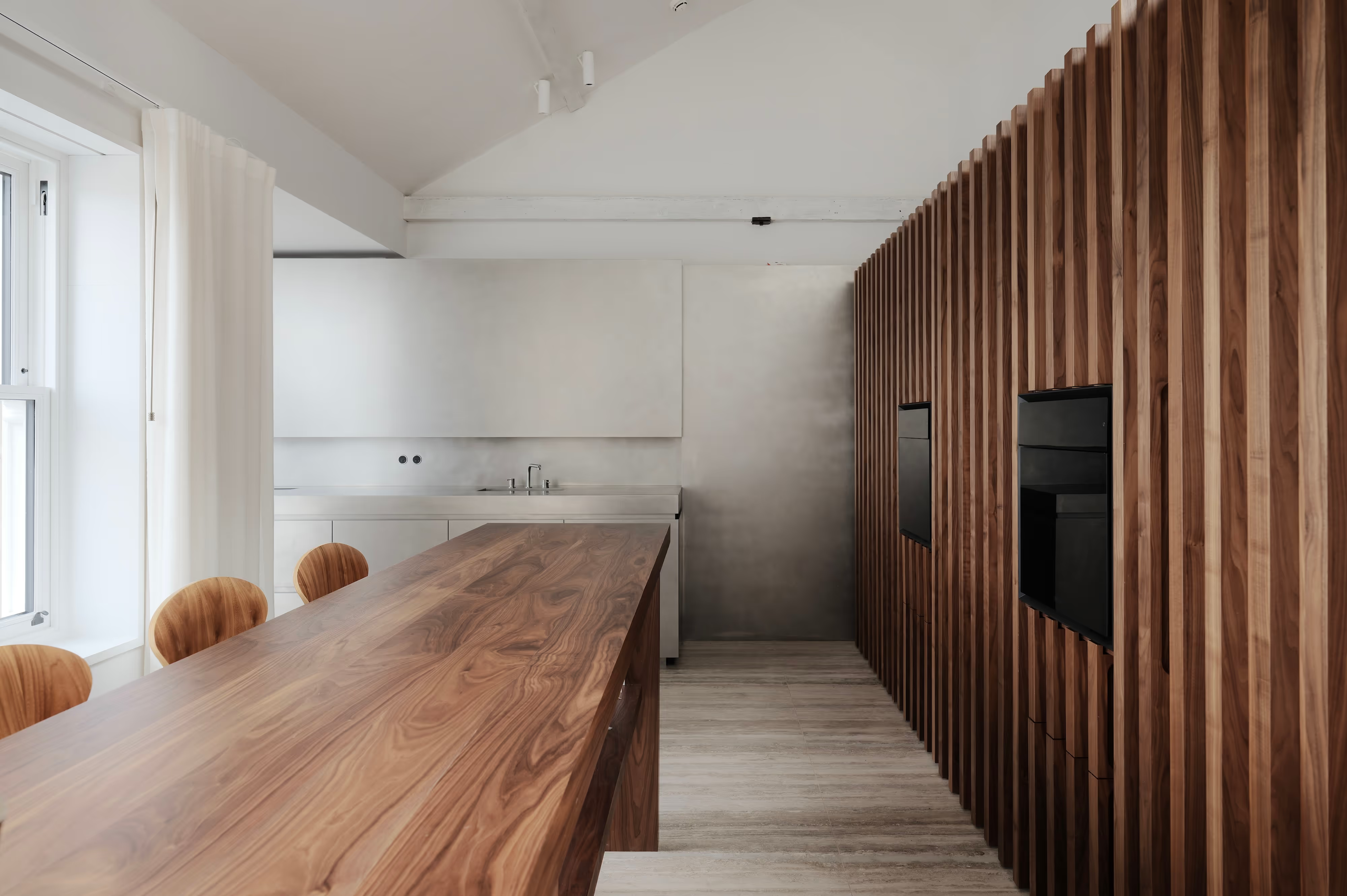
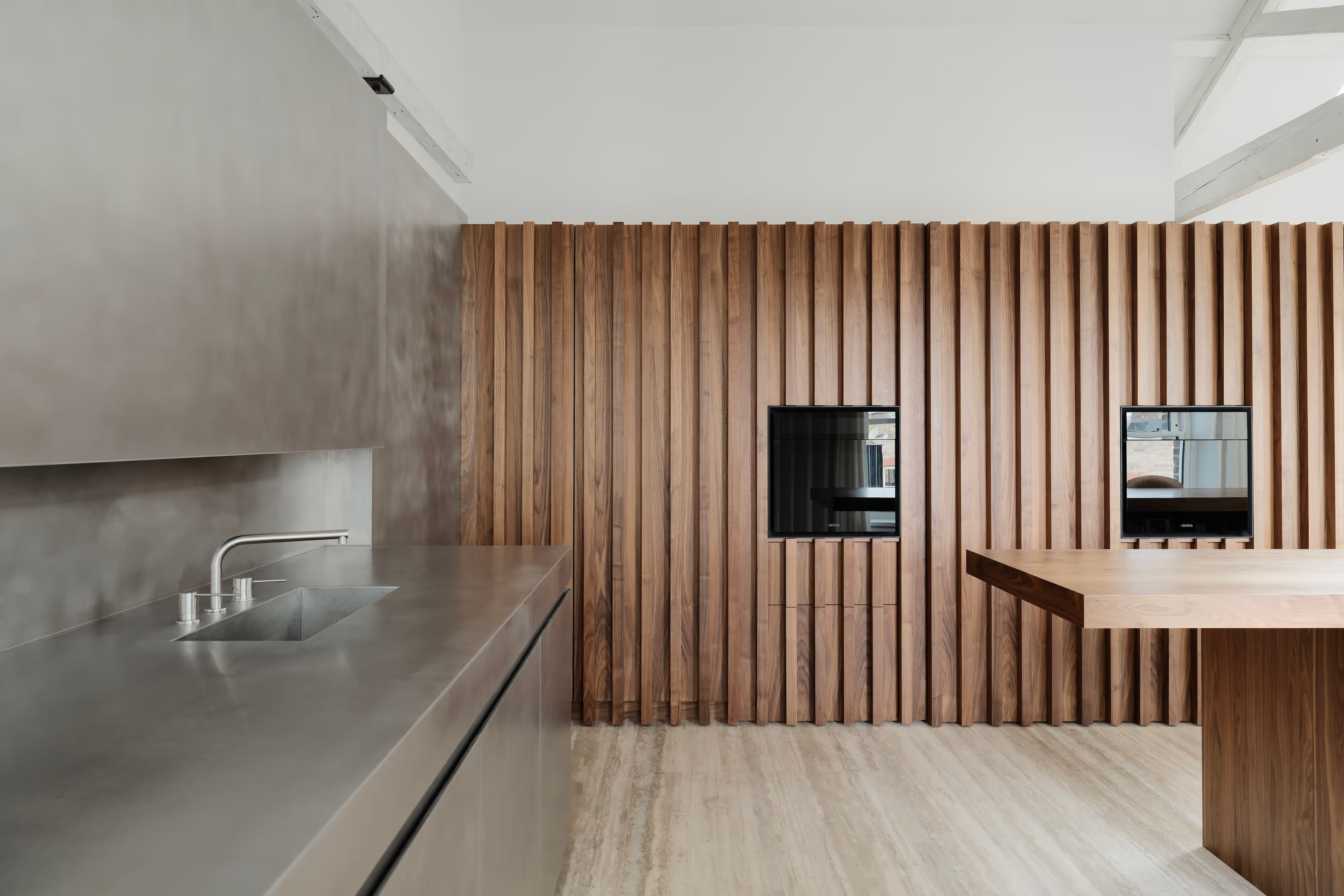
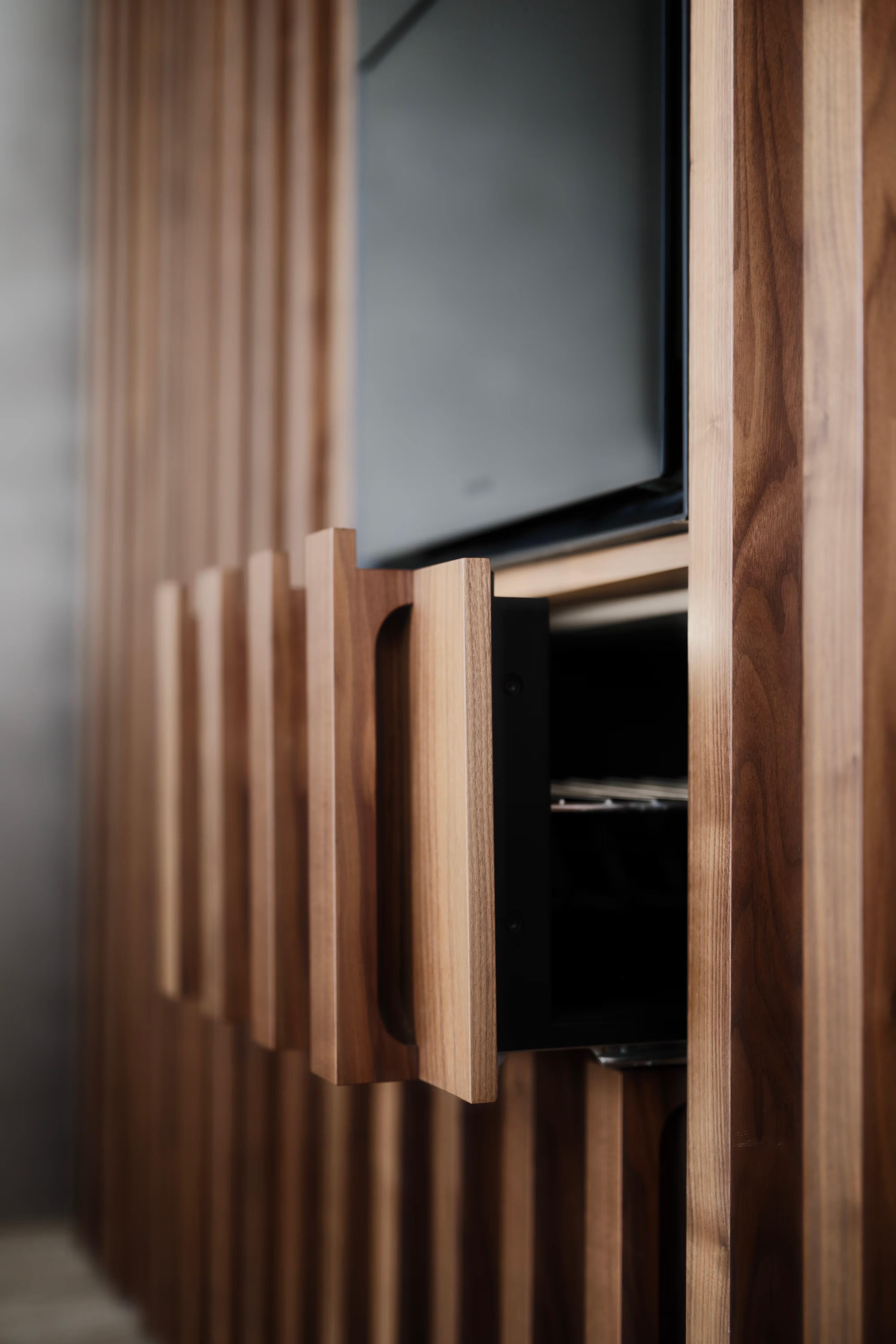
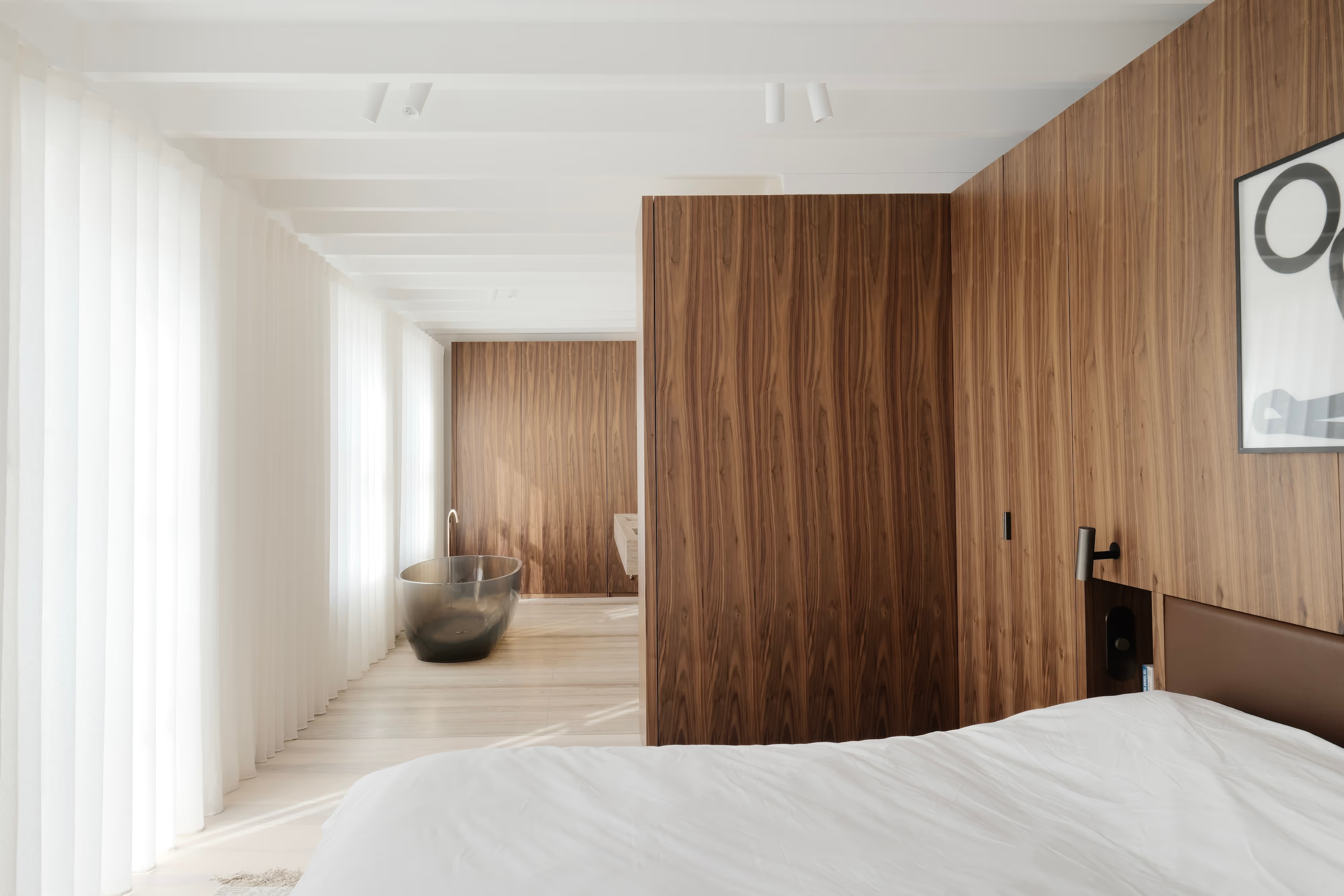
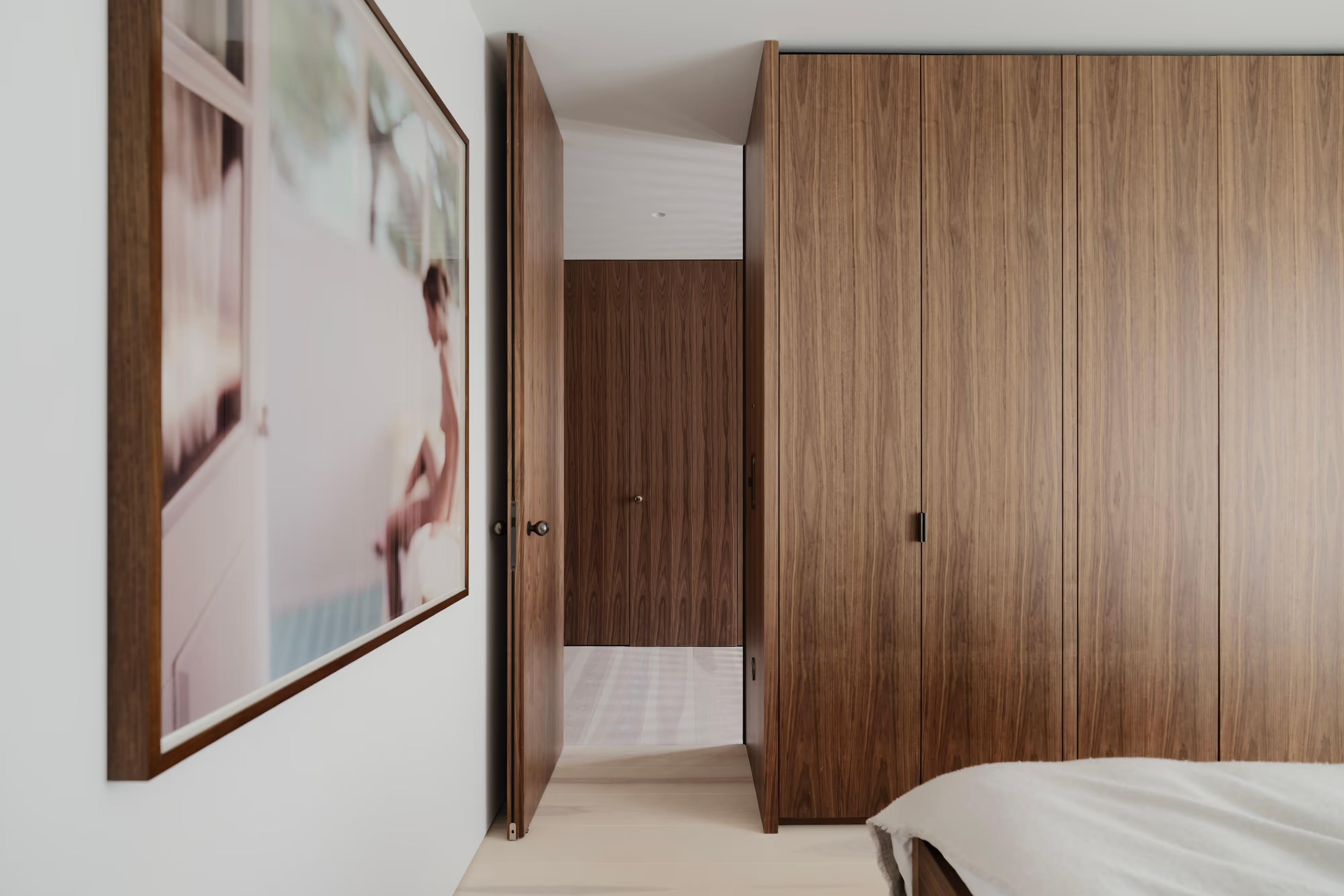
American black walnut was selected for its depth of tone and ability to carry grain across large surfaces, but its use at this scale placed pressure on veneer selection, sequencing, and joint alignment. This became most acute where functionality needed to disappear entirely, with fold-back bar panels, warming drawers, and a concealed lift door required to integrate invisibly within the wider joinery system.
At this point, precision became essential: any misalignment would have disrupted the continuity of the interior as a whole.
“The interconnected nature of the joinery made this one of our most demanding installations. A single misalignment could affect the entire space. It demanded absolute precision at every stage.”
Ross Norgate, Co-Founder, Young & Norgate
Precision Tested on Site
Installation became the point at which every earlier decision was tested. With joinery elements spanning both levels and relying on exact alignment, there was little scope for adjustment on site. Each component needed to arrive fully resolved and integrate seamlessly as the interior was assembled.
Close coordination with other trades was essential, particularly where concealed elements intersected with services and architectural details. The work was installed progressively, allowing the continuous logic of the joinery to be maintained as the space came together.
The Result
Once complete, the interior read as a continuous sequence rather than a collection of rooms. Joinery elements moved across both levels without interruption, allowing the space to feel composed and coherent despite its complexity.
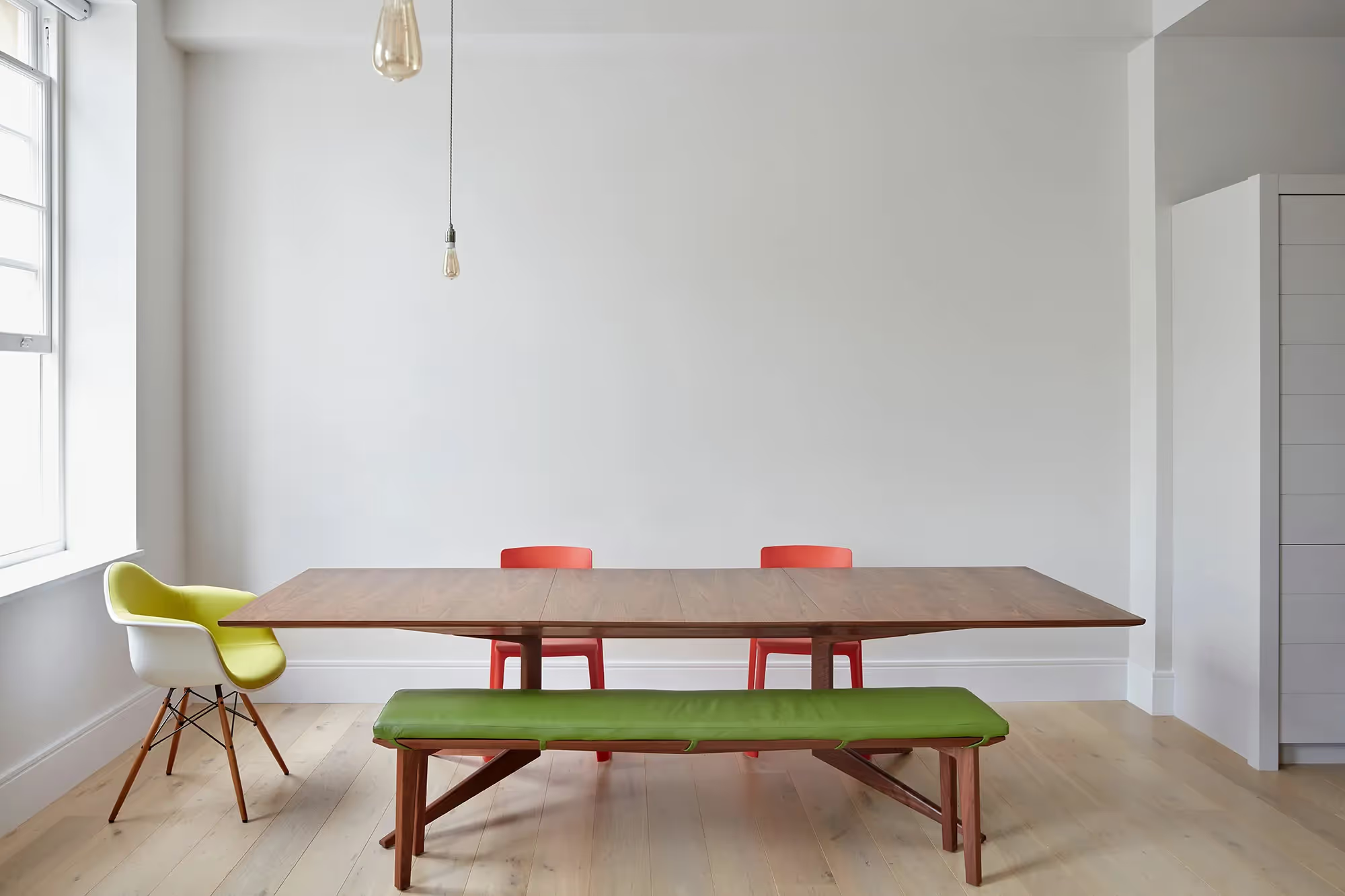
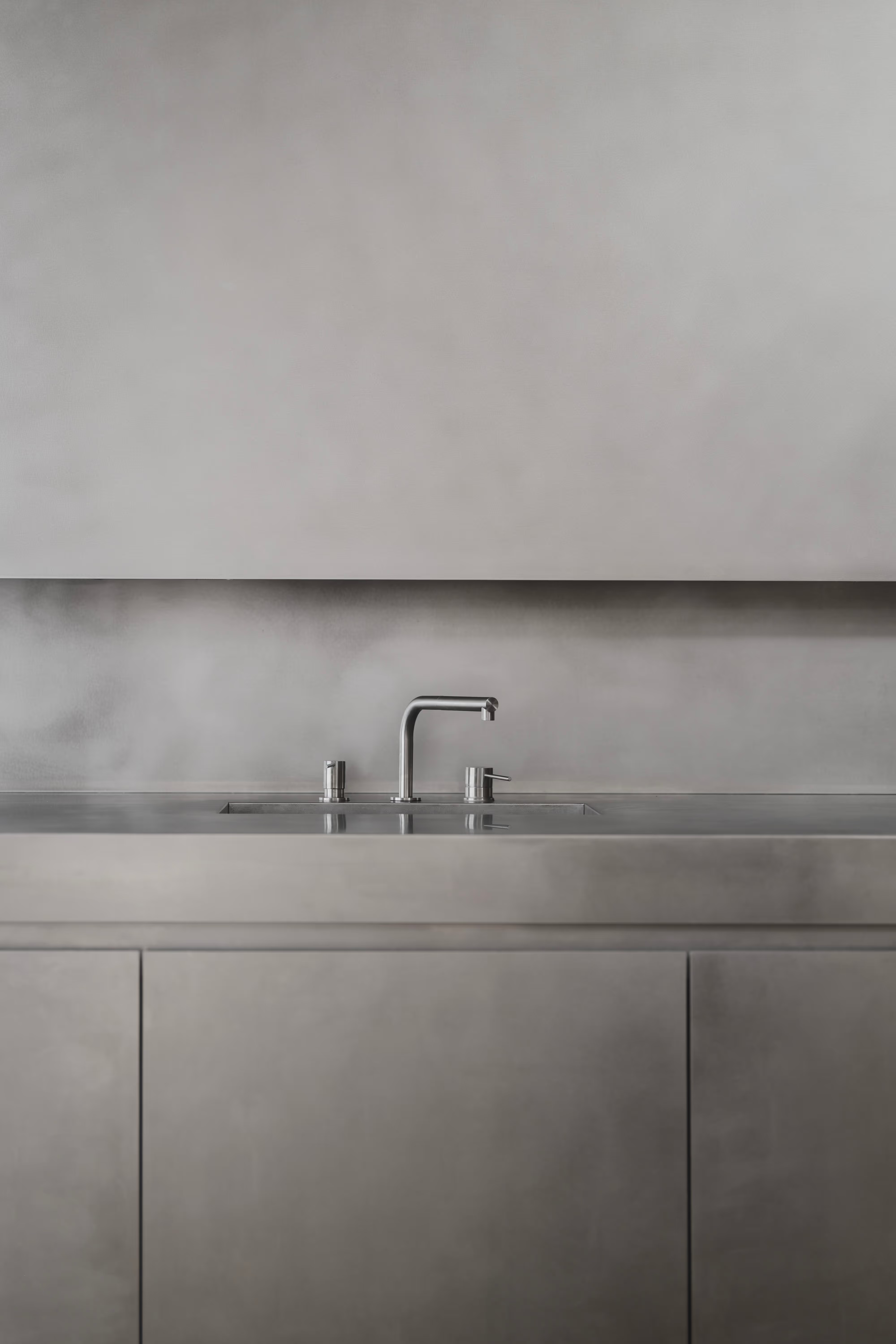
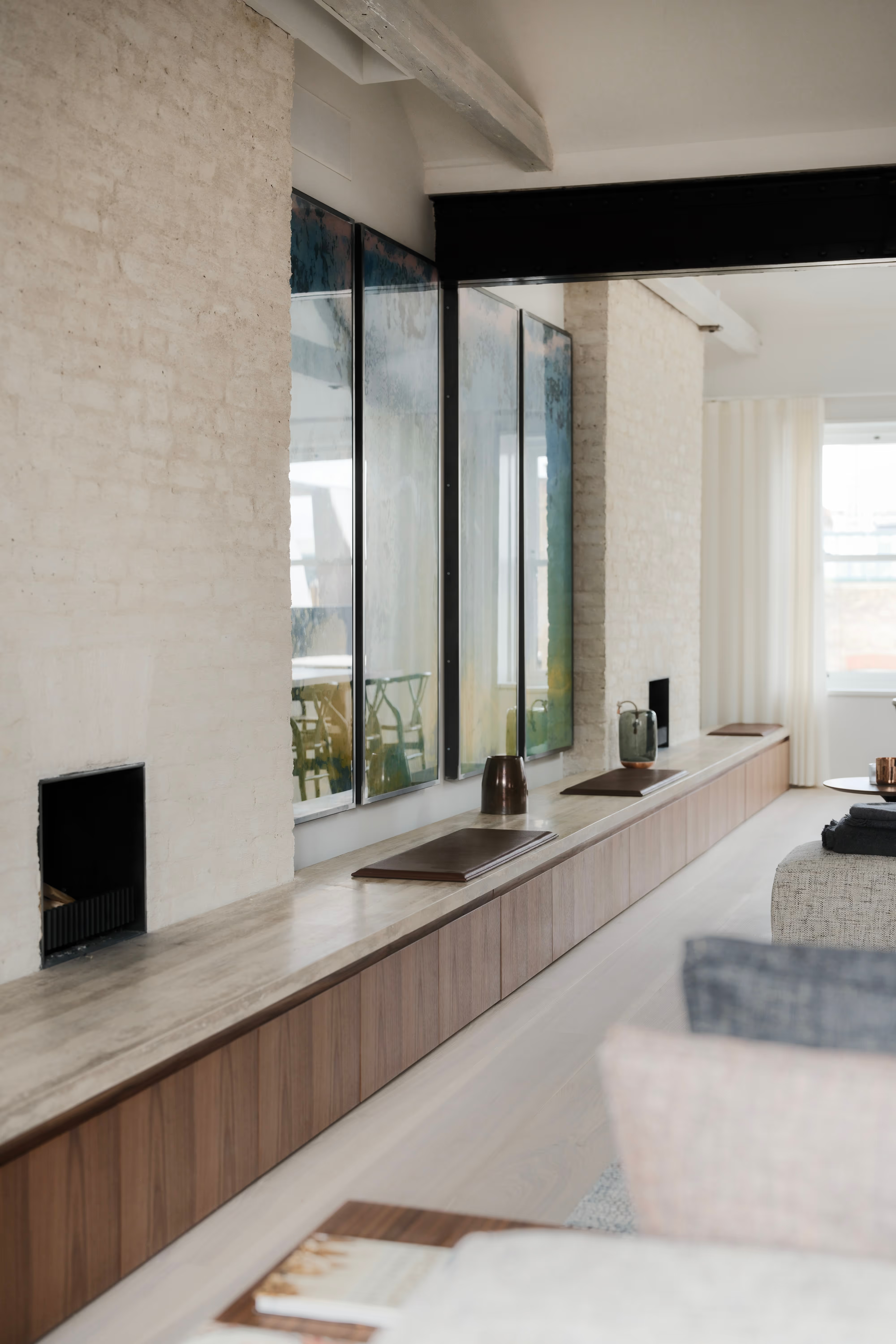
A palette of American black walnut, ash, silver travertine, and stainless steel defined the finished interior, chosen for tone and texture rather than effect. Concealed elements receded as intended, preserving architectural clarity while supporting everyday use, resulting in an interior where precision was present but not overt.
.avif)
.avif)

.avif)
.avif)

.png)
.jpg)